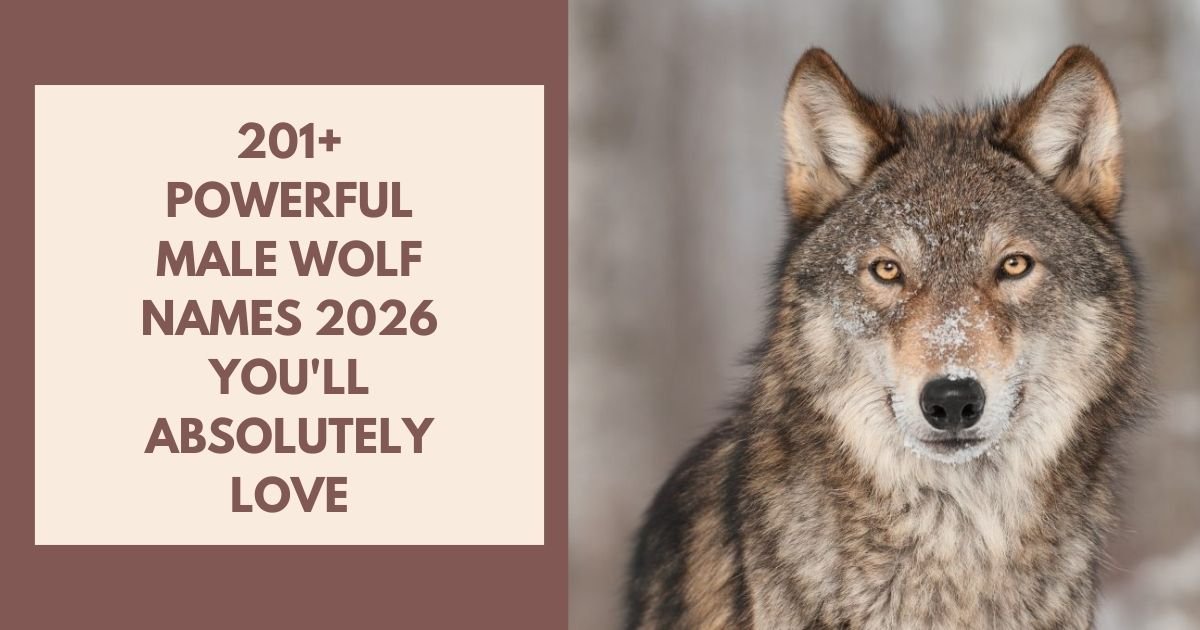
201+ Powerful Male Wolf Names 2026 You’ll Absolutely Love
In the fascinating world of wolves, Male Wolf Names carry significant meaning, reflecting their strength, spirit, and territorial nature. This article delves into the importance of male wolf names, exploring their origins, cultural significance, and how they enrich our understanding of these majestic creatures.
By reading on, you’ll discover a unique collection of names that embody the wild essence of male wolves.
Fun Fact About Male Wolf Names
They often receive names that reflect their dominant traits or pack roles, making them more than just identifiers. For instance, a male known for his strength might be dubbed “Brutus,” while a crafty wolf could be called “Shadow.”
Interestingly, in certain cultures, these names can also symbolize the wolf’s connection to nature. In Native American traditions, names like “Thunder” or “Moonshadow” evoke elements that represent the spirit of the wilderness, further enriching the wolf’s identity within its environment.
Through these names, we gain insight into the complex social structures of wolf packs and the intricate relationships these animals share with their surroundings.
Related Post: 150+ Cheetah Names 2026: Names As Fast As They Are
Best Wolf Names
When naming a wolf, consider the rich tapestry of nature and mythology. Names like Oren, meaning “pine tree” in Hebrew, evoke strength and resilience, while Luna reflects the mystical connection wolves have with the moon.
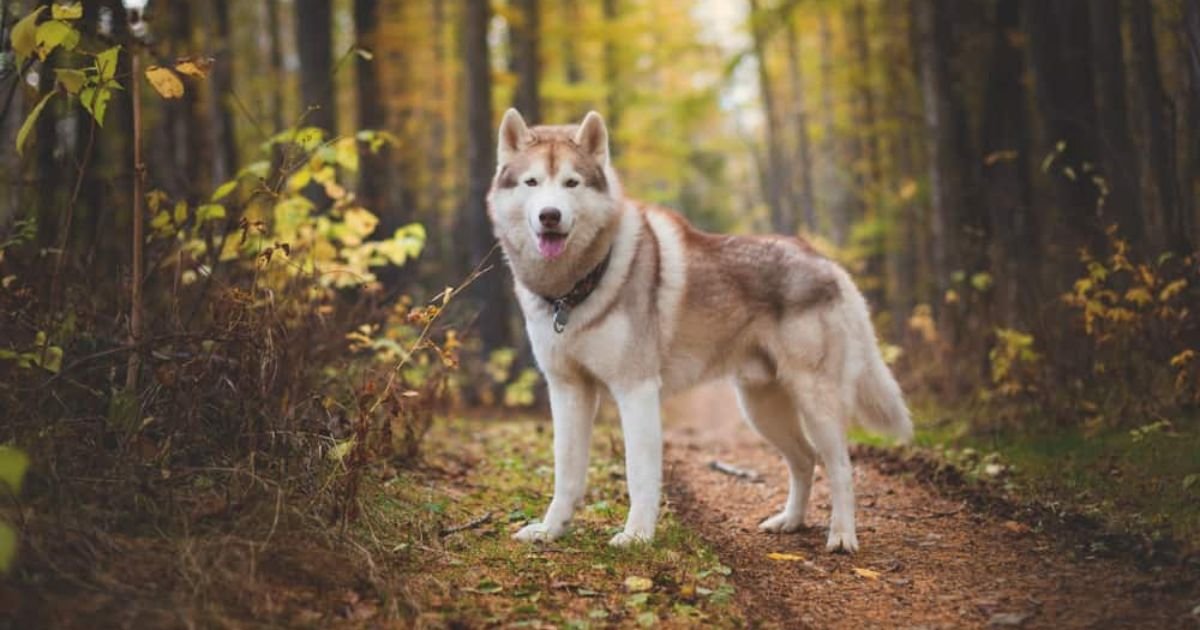
A wolf with striking gray fur might be aptly named Ash, while a playful pup could be called Zesty, igniting curiosity and warmth among those who meet them.
- Fenrir – “Mythic wolf”, from Norse Mythology.
- Varg – “Wolf”, from Old Norse/Swedish.
- Lykos – “Wolf”, from Greek.
- Ulfr – “Wolf – ruler”, from Old Norse.
- Wolfgang – “Wolf path/journey”, from Germanic.
- Conan – “Little wolf”, from Irish/Gaelic.
- Zev – “Wolf”, from Hebrew.
- Ulf – “Wolf”, from Swedish/Norwegian.
- Bheriya – “Wolf”, from Hindi.
- Lupin – “Wolf”, from Latin/English play on Lupus.
Funny Wolf Names
When it comes to naming wolves, a touch of humor can elevate their wild persona to something truly memorable. Picture “Howl-o, Dolly!” or “Bark Twain” roaming the forest these names not only spark a grin but also reveal the playful side of nature.
- Howlington – “Howl kind of guy”, from English play-on words.
- Snickerwolf – “Wolf with a snicker”, from English fun.
- Fangie McHowl – “Little fang, big howl”, from English playful.
- Wuffle – Soft crossover: wolf + fluff, from English invented.
- Barklo – “Wolf bark version”, from English pun.
- Wolfie Woo – “Big-hearted wolf”, from English playful.
- Growlington – “Growl + ’lington suffix”, from English fun.
- Howlz Alot – “He howls a lot”, from English pun.
- WiggleWolf – “Wolf with wiggle”, from English inventive.
- Pup-Wolf – “Still a pup but wolfish”, from English playful.
Popular Wolf Names in Literature and Media
Wolves have often served as powerful symbols in literature and media, with names like Fenrir from Norse mythology advancing the notion of untamed chaos and primal nature. In contemporary storytelling, characters like White Fang from Jack London’s novel epitomize the fierce spirit and survival instincts inherent in these majestic creatures.
- Akela – Leader wolf in The Jungle Book, from English fiction.
- Whitefang – Wolf/dog hero in Jack London’s novel, from English fiction.
- Grey Wind – Character in Game of Thrones, from English series.
- Ghost – Dire-wolf in Game of Thrones, from the English series.
- Shadow – Common wolf name in fantasy, from English fiction.
- Gmork – Wolf villain in The NeverEnding Story, from German/English.
- Lupa – She-wolf that nursed Romulus & Remus, from Roman Mythology.
- Fenris – Wolf in Marvel comics & Norse myth, from Norse/English.
- Akhir – Wolf character in some modern fiction, from invented/English.
- Lupin – Inspired by “wolf”, used in the Harry Potter series and other media, from English.
Names from Mythology and Folklore
They often embody deep meanings and rich histories, offering more than just labels. For instance, the name “Freya,” derived from Norse mythology, symbolizes love, beauty, and fertility, capturing the essence of its goddess while also reflecting the complexities of relationships in modern life.
- Asena – She-wolf in Turkic myth, from Turkic.
- Sköll – Wolf chasing the sun in Norse myth, from Norse.
- Hati – Wolf chasing the moon in Norse myth, from Norse.
- Amarok – Giant wolf of Inuit mythology, from Inuit.
- Romulus – Raised by a she-wolf (legend of Rome), from Roman Mythology.
- Geri – “The Greedy One”, wolf of Odin, from Norse.
- Freki – Another wolf of Odin, from Norse.
- Lupa – Latin for “she-wolf”, from Roman Mythology.
- Fenris – Giant wolf prophesied to end gods, from Norse.
- Cwn Annwn – “Hounds of the Underworld” but wolf-like in Welsh myth, from Welsh Mythology.
Influential Fictional Wolves
They have often transcended mere animal symbolism, becoming complex characters that embody themes of loyalty, freedom, and the primal instincts within us all. From the haunting spirit of White Fang in Jack London’s classic to the fierce independence of Akela in *The Jungle Book*These wolves serve as mirrors reflecting human emotions and struggles.
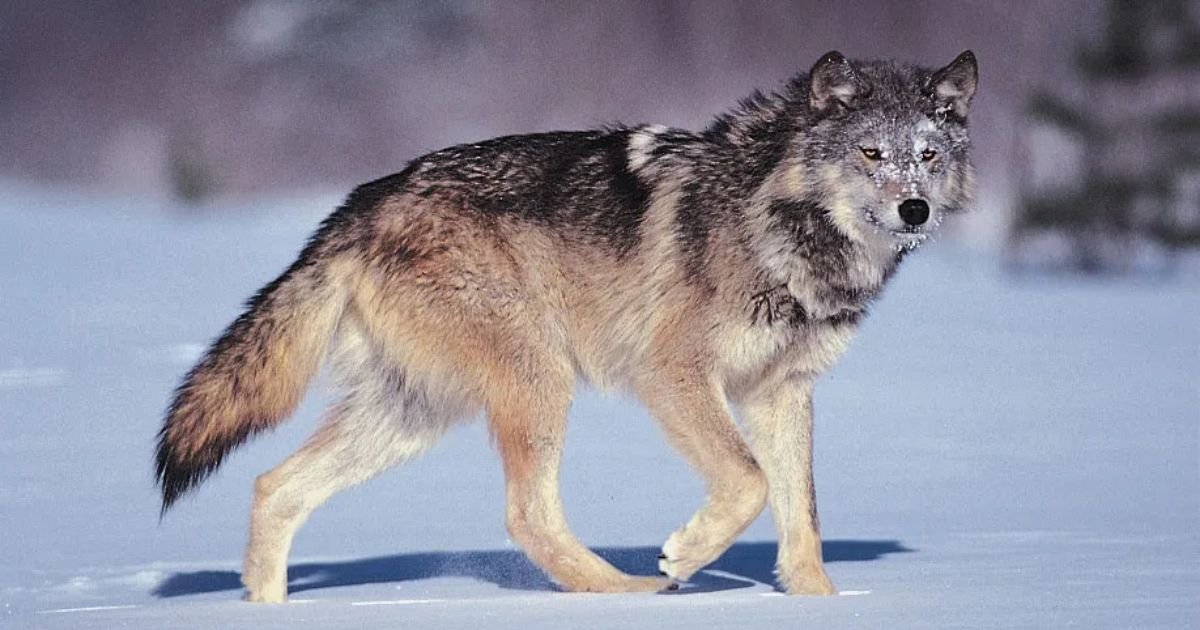
In each case, these fictional wolves challenge us to embrace both our wildness and our warmth
- Ghost – Dire-wolf of Jon Snow in Game of Thrones, from English television.
- Nymeria – Dire-wolf of Arya Stark in Game of Thrones, from English television.
- White Fang – Half-wolf hero of Jack London’s novel, from English literature.
- Akela – Wolf leader in The Jungle Book, from English literature.
- Wolfheart – Name used in fantasy for a heroic wolf, from English fantasy.
- Lobo – Classic wolf character in various comics, from Spanish/English.
- Gmork – Wolf antagonist in The NeverEnding Story, from English film.
- Alpha – Generic “pack leader” wolf in fiction, from English general.
- Echo – Wolf featured in video games/films, from English general.
- Kiba – Wolf character in anime & games, from Japanese/English.
Cool Wolf Names
Choosing a name can reflect not only the animal’s strength but also its mystique. Names like “Shadow” or “Echo” evoke an aura of the wild, alluding to the elusive nature of wolves that thrives in both forest and folklore.
- Luna – “Moon” (wolves howling at moon), from Latin/English.
- Willow – “Graceful & wild like wolf”, from English.
- Kiba – “Fang”, from Japanese.
- Nova – “New star / bright wolf spirit”, from Latin/English.
- Mika – “Little wolf” (also “beautiful scent”), from Finnish/Yiddish.
- Snowflake – “White, soft yet wild”, from English.
- Misty – “Wolf in the mist”, from English.
- Lobo – “Wolf” (Spanish), from Spanish.
- Ylva – “She-wolf”, from Swedish.
- Koda – “Friend” (modern usage), from Native American inspired.
Male Wolf Names
When selecting names for them, consider the deep-rooted symbolism and characteristics that wolves embody. Names like “Koda,” meaning *friend*, or “Talon,” evoking strength and ferocity, can reflect a wolf’s role in the pack as both protector and companion.
Each name carries an essence that celebrates the wolf’s spirit, inviting a connection that goes beyond mere identification.
- Zev – Wolf, from Hebrew.
- Ulf – Wolf, from Swedish/Norwegian.
- Conan – Little wolf, from Irish/Gaelic.
- Wolfgang – Wolf’s path, from Germanic.
- Radulf – Wolf counsel, from Germanic.
- Ragnulf – Warrior wolf, from Norman.
- Vuk – Wolf, from Slavic.
- Phelan – Little wolf, from Gaelic.
- Farkas – Wolf, from Hungarian.
- Lobo – Wolf, from Spanish/Portuguese.
Female Wolf Names
When naming a female wolf, it’s essential to capture her wild spirit and natural grace. Names like Luna and Aurora evoke the enchanting beauty of the moon and dawn, reflecting her connection to the night and the natural world.
Each name offers a unique layer of meaning, enhancing the bond between the animal and her name, making it a reflection of her essence.
- Ylva – She-wolf, from Swedish.
- Lupita – Little wolf (female), from Spanish.
- Mika – Little wolf / beautiful scent, from Finnish/Yiddish.
- Kira – Dark one (wolf-like), from Slavic/English.
- Luna – Moon (wolf howls at moon), from Latin/English.
- Willow – Graceful wildness, from English.
- Misty – Wolf in the mist, from English.
- Nova – New star, fierce spirit, from Latin/English.
- Snowflake – Soft but wild, from English.
- Sable – Dark-fur colour, mysterious, from English.
Baby Wolf Names
Choosing a name for them can be an exciting task, as it reflects their wild spirit and playful nature. Consider names inspired by nature, such as “Cinder,” evoking images of a flickering fire, or “Meadow,” hinting at open fields where they might frolic.
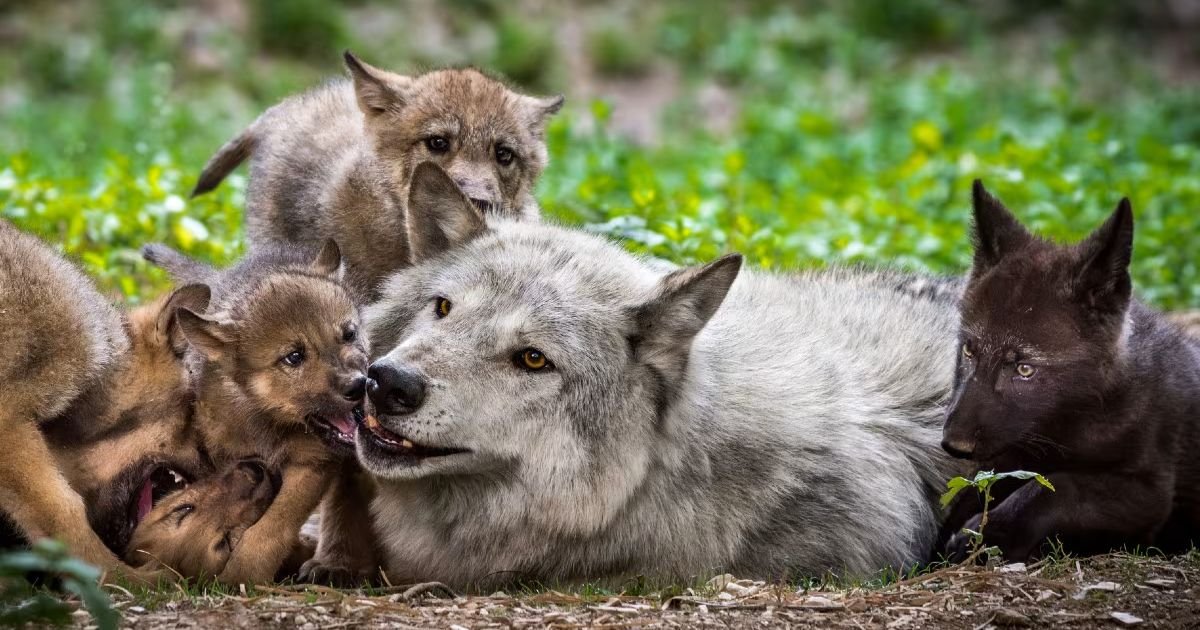
Each name offers a chance to capture the essence of these captivating creatures, reminding us of their untamed beauty and the lore surrounding them.
- Cuan – Little wolf, from Irish/Gaelic.
- Ozouf – Wolf warrior, from Icelandic/Hebrew.
- Faolan – Little wolf, from Ireland.
- Ivaylo – Wolf, from Bulgarian.
- Velvel – Wolf, from Yiddish.
- Lupus – Wolf, from Latin.
- Nymeria – Independent loyalty (wolf-insp), from English fantasy.
- Koda – Friend, young wolf spirit, from Native inspired.
- Lobo – Wolf, from Spanish/Portuguese.
- Ziva – Brilliance, lively (wolf-like), from Hebrew/English.
Nicknames For Wolf
They often reflect their fierce and loyal nature. Monikers like “Shadow Howler” or “Lone Spirit” encapsulate the survival instinct and mysterious aura that wolves embody in folklore and modern culture.
| Name | Meaning | Origin |
|---|---|---|
| Wolfie | Little wolf | English |
| Howler | He/she who howls | English |
| Fang | Sharp tooth, fierce spirit | English |
| Luna | Moon-howler (cute version) | Latin/English |
| Shadow | Silent, sleek | English |
| Kiba | Fang in Japanese, nickname style | Japanese/English |
| Wolf-Cub | Young wolf | English |
| Lup | Short for Lupin/Lupa | English/Latin |
| Wulf | Old spelling, cool twist | Germanic |
| Howlster | One who howls a lot | English fun |
Also See: Flamingo Names Generator 2026: 201+ Ideas You’ll Love
Unique Wolf Names
When choosing a name for a wolf, consider the rich tapestry of mythology and nature. Names like Fenrir, drawn from Norse lore, evoke a sense of ancient power and wildness, while others like Zephyr, inspired by the gentle west wind, capture a more ethereal spirit.
- Arcturus – “Guardian of the bear/wolf star”, from Latin/English inspired.
- Valko – Wolf, from Bulgarian.
- Hardulph – Brave wolf, from Anglo-Saxon.
- Riven – Wild, untamed, from English.
- Wolfheart – Courageous loyalty, from English.
- Sable – Dark fur, mysterious presence, from English.
- Zephyr – Gentle breeze (wild wind wolf vibe), from English.
- Kasa – Wise cunning (wolf-like), from English invented.
- Orin – Pale-wave / rising wolf spirit, from English inspired.
- Khaos – Wild chaos, primal wolf essence, from English myth-inspired.
Conclusion
Selecting the perfect male wolf names can be an exciting adventure that reflects both the character and spirit of these majestic animals. Whether you prefer names inspired by their natural habitat, mythology, or even popular culture, the options are endless.
Such names can capture the strength and mystery associated with wolves, making them a fitting tribute to these incredible creatures.So take your time, explore various options, and have fun in the process. Start your naming journey today, and honor the spirit of the wolf with a name that truly reflects its magnificence!
FAQs
Can I Use These Names For Other Animals?
Yes, you can use names commonly associated with one type of animal for others, especially if it fits their personality or characteristics. However, it’s helpful to consider the context and whether the name might cause confusion, particularly in conversations or among people familiar with the original animal association.
How Does The Wolf Name Generator Work?
They typically employ algorithms that combine elements of nature, personality traits, and cultural references to create unique wolf names. Users can input parameters like gender or specific themes, allowing for tailored results that resonate with individual preferences.
Are The Wolf Names Inspired By Real Meanings?
Yes, they often draw from languages and cultures that emphasize the traits associated with these animals. For instance, names like “Lupa” in Latin means “she-wolf,” reflecting the importance of wolves in mythology and nature.